Three nurse performed peels, matched to your skin type and your concerns
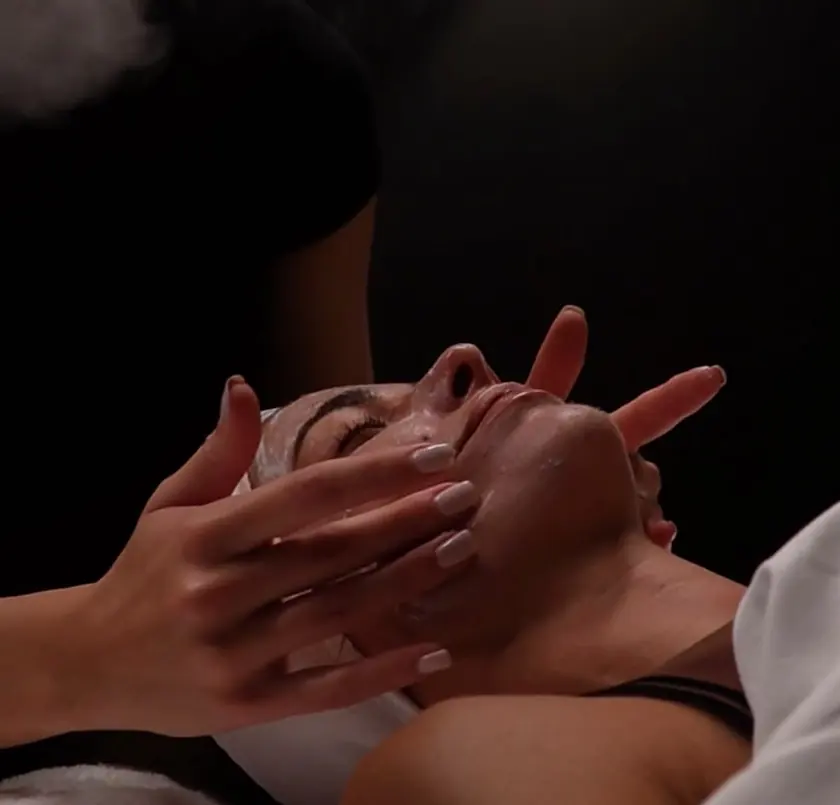
A chemical peel removes the damaged outer layers of skin in a controlled way so that smoother, brighter, more even skin can take their place. We offer three levels, from a gentle Glycolic 50% to a medium depth TCA Brightening Peel, and we choose the one that fits your Fitzpatrick skin type and your goals. Performed by licensed nurses under medical directive.
A peel is a measured application of acids that loosens the bond between dead, damaged surface cells and the healthy skin underneath. Over the following days the old surface lifts away and is replaced by new skin with a more even tone, finer texture and better light reflection. Deeper peels also signal the skin to rebuild collagen.
The level of the peel decides how deep it works and how much visible peeling follows. A superficial peel refreshes with little to no downtime. A medium depth peel reaches further for pigmentation, sun damage and acne scarring, and the skin sheds visibly for about a week.
Every peel starts with a skin assessment. At your consultation, we confirm your Fitzpatrick type, review your history and choose the peel, the number of layers and the home care suited to your skin.
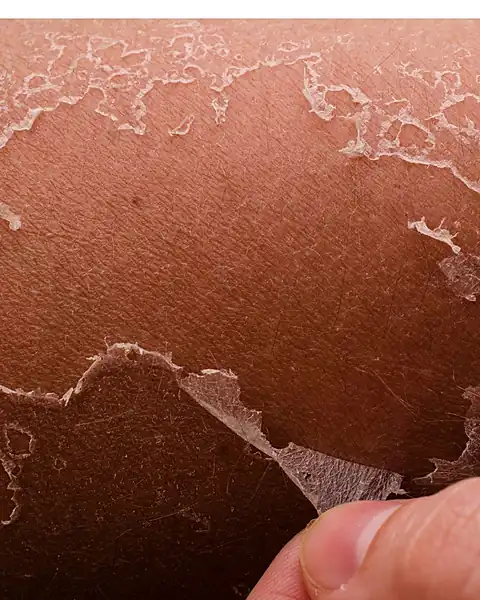
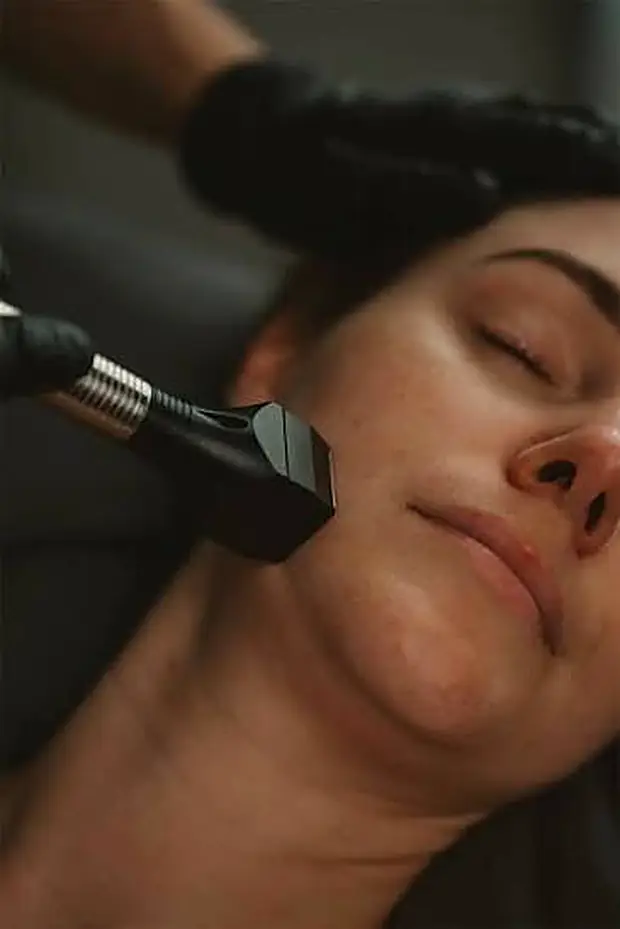
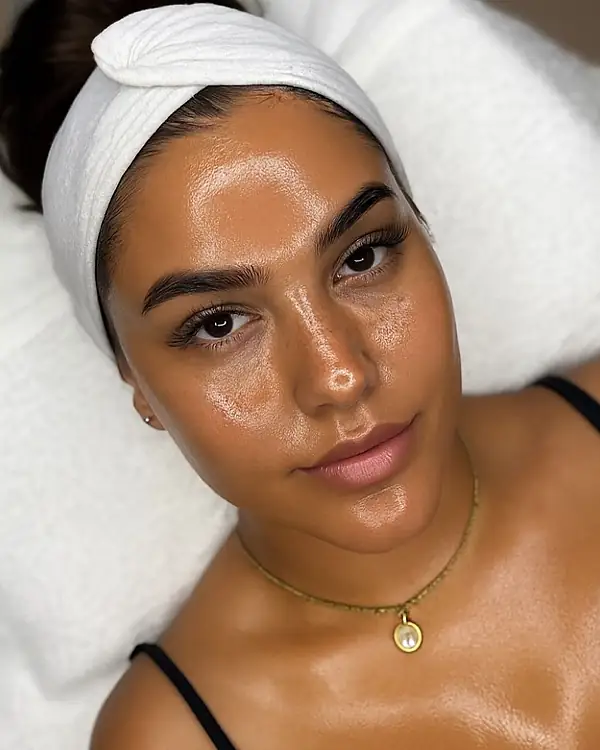
Days 3 to 5 after a medium depth peel. The old surface lifts away on its own.
Our Peels
Three levels, one goal.
Each peel has its own blend of acids, its own depth and its own recovery. Here is exactly what is in each one and who it is for.
Level 1 · Superficial
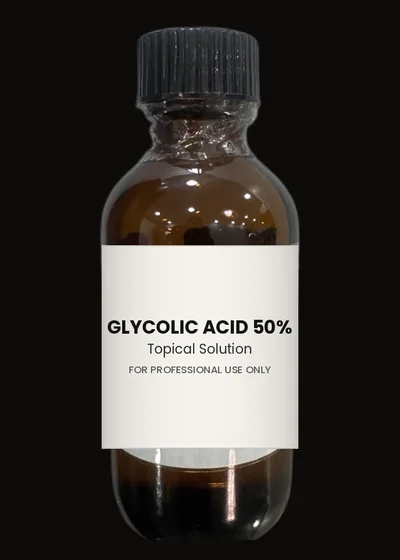
Glycolic Acid 50%
The gentle entry peel. A high strength alpha hydroxy acid from sugar cane that dissolves dull surface cells and boosts hydration with little to no visible peeling.
In the peel
Glycolic acid 50%
How it is applied
Timed on the skin, then neutralized by your nurse. Glycolic keeps working until it is neutralized, so timing sets the depth
Best for
Dullness, rough texture, fine lines, mild pigmentation, congestion and blackheads, first time peel clients
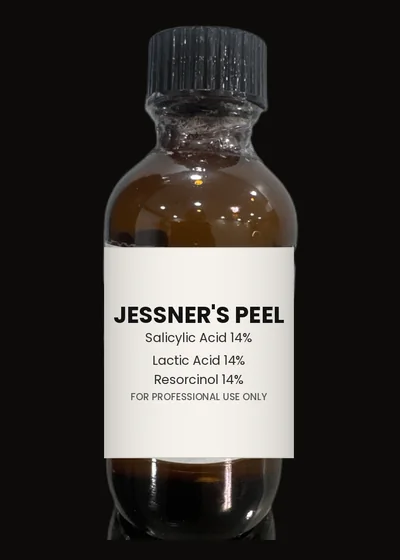
A classic three acid formula applied in layers. Salicylic acid clears the pores, lactic acid exfoliates and hydrates, resorcinol lifts pigment. The number of layers sets the depth.
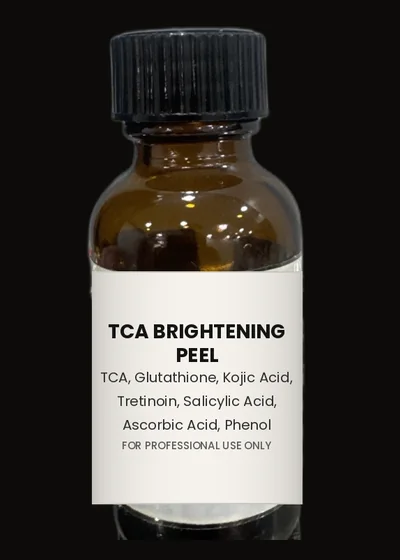
Our deepest peel. Trichloroacetic acid is combined with the antioxidant glutathione, kojic acid and vitamin C for brightening, retinoic acid for renewal and salicylic acid and phenol for depth and comfort.
Not sure which level is yours? Take the quiz below or book a consultation. The final choice is always made with your nurse after a skin assessment.
Fitzpatrick Skin Types
Your skin type decides the peel.
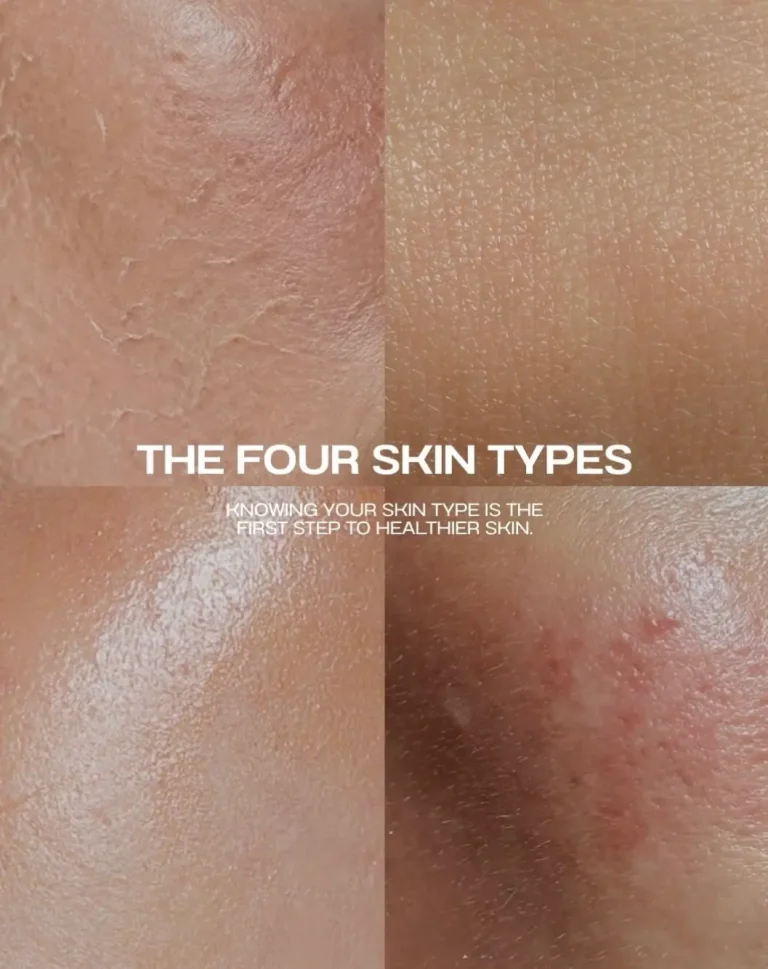
The Fitzpatrick scale groups skin by how it reacts to sun. It matters for peels because deeper skin tones hold more melanin, and melanin can respond to the controlled injury of a peel by darkening. That is called post inflammatory hyperpigmentation, and the risk is lowered when the right peel is chosen and the skin is prepared at home first.
Type I
Very fair skin, often freckles, light eyes, red or blond hair. Always burns, never tans.
Peels: all three levels
Type II
Fair skin, light eyes and hair. Burns easily, tans very little.
Peels: all three levels
Type III
Light to medium skin, any eye or hair colour. Sometimes burns, tans gradually.
Peels: all three levels
Type IV
Light brown or olive skin, dark eyes and hair. Rarely burns, tans easily.
Peels: all three, with 2 to 4 weeks of home skin prep before Jessner's or TCA
Type V
Brown skin, dark eyes and hair. Very rarely burns, tans darkly.
Peels: Glycolic 50% first. TCA Brightening after home skin prep. No Jessner's
Type VI
Deeply pigmented dark brown to black skin. Never burns.
Peels: Glycolic 50% first. TCA Brightening after home skin prep. No Jessner's
Home skin prep (sometimes called priming) means using a medical grade retinol or brightening cream every night and SPF every morning for 2 to 4 weeks before the peel. It gets the skin used to active ingredients, evens out how it responds and lowers the risk of darkening afterward. We set this up with ZO Skin Health at your consultation.
Find Your Peel
Which peel is right for me?
Six short steps. The quiz works out your Fitzpatrick skin type from your natural colouring and how your skin reacts to sun, matches it to your concerns and your schedule, then gives you the peel, the number of sessions, what to stop before, and how to care for your skin after. No photo needed, and nothing is sent unless you choose to send it.
Your natural colouring
Think of your natural hair colour, not dyed, and the colour of your eyes.
Eye colour
Natural hair colour
Freckles on areas that never see the sun
Your skin and the sun
Look at skin that is never exposed, like the inside of your upper arm. Then think about a full afternoon in summer sun with no sunscreen.
Skin tone where the sun never reaches
What happens after that afternoon in the sun
What would you like to improve?
Choose everything that applies.
How much peeling can you plan for?
Be honest. Visible peeling is normal and cannot be rushed or covered with makeup.
What are you using on your face right now?
Some products have to be paused before a peel. Choose everything that applies, or leave it blank if none do.
Does any of this apply to you right now?
These are safety questions. Check everything that applies, or leave them blank if none do.
You made it this far. Let us take it from here.
Add your name and number to send your answers to the clinique, and we can follow up to help you book. Nothing is sent until you tap the button.
This quiz is a guide, not a diagnosis. Your skin type, the peel, the number of layers and your home care are confirmed at your appointment after an in-person skin assessment. If you take any prescription medication for your skin, check with the prescribing doctor before pausing it.
What to Expect
The week after your peel.
Treatment daySkin is cleansed and prepped, then the peel is applied in layers. Expect tingling and warmth for a few minutes, then mild redness and a tight feeling for the rest of the day.
Days 1 to 2Skin feels tight and may look slightly darker or more tanned. This is the treated surface getting ready to lift. Keep it moisturized and protected.
Days 2 to 7Peeling begins around the mouth and nose and spreads outward. Let it lift on its own. Picking or scrubbing can cause marks or scarring.
Days 7 to 14Fresh skin is revealed, smoother and brighter. Pigment keeps fading over the following weeks. Daily SPF protects your result. Individual results vary.
Glycolic 50% is the exception. Most clients see little or no visible peeling, just a smoother, brighter surface over the next few days.
Pair It With
Peels + Forma RF
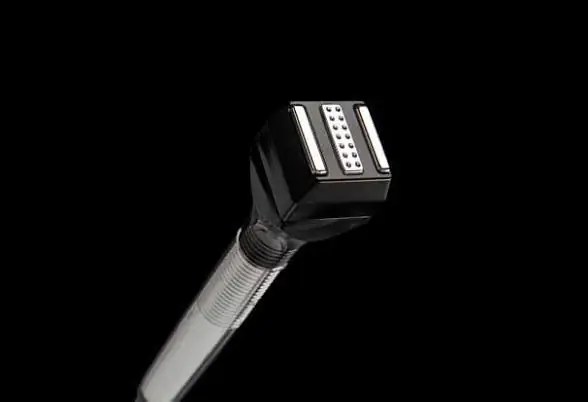
Peels work on the surface: tone, texture and clarity. Forma radiofrequency works underneath: it warms the deeper layers of the skin to support collagen and a firmer, lifted look. Together they address both the quality and the firmness of the skin.
Forma sessions are scheduled between peels, once the skin has fully healed, so each treatment gets the skin at its best. Ask us to build a combined plan, or learn how it works on our Forma page.
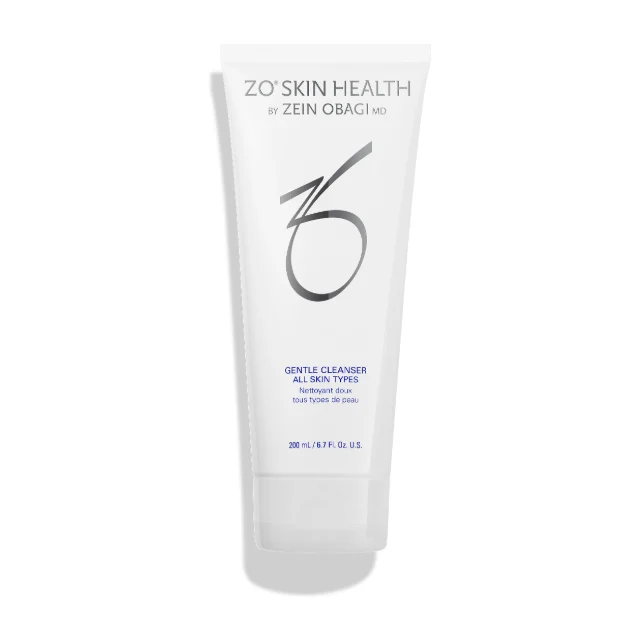
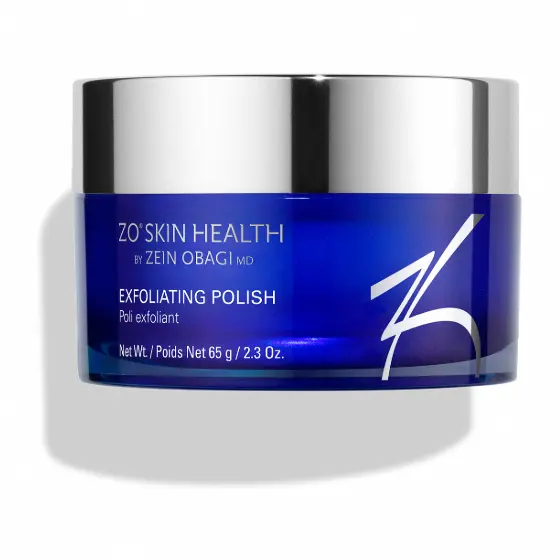
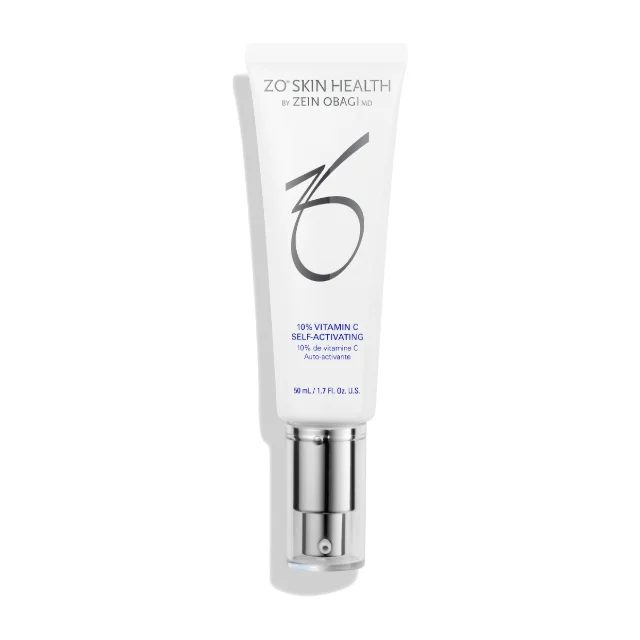
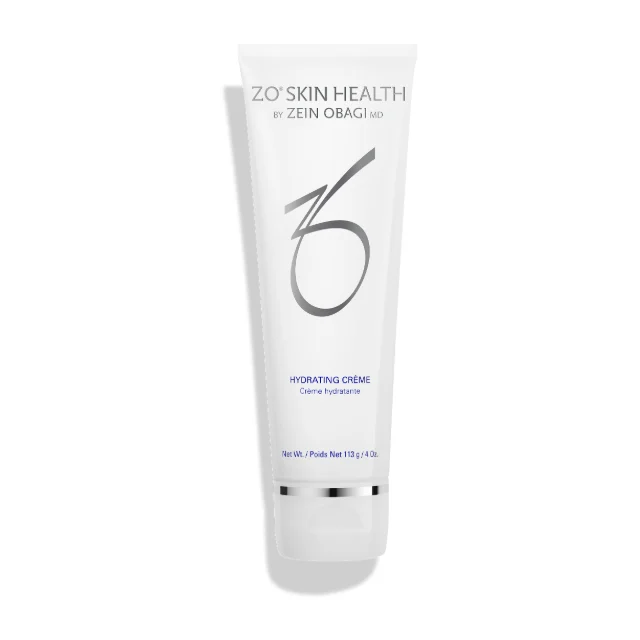
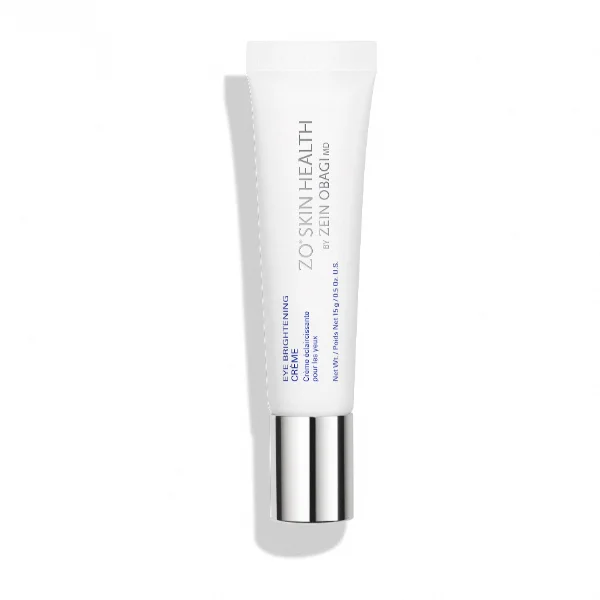
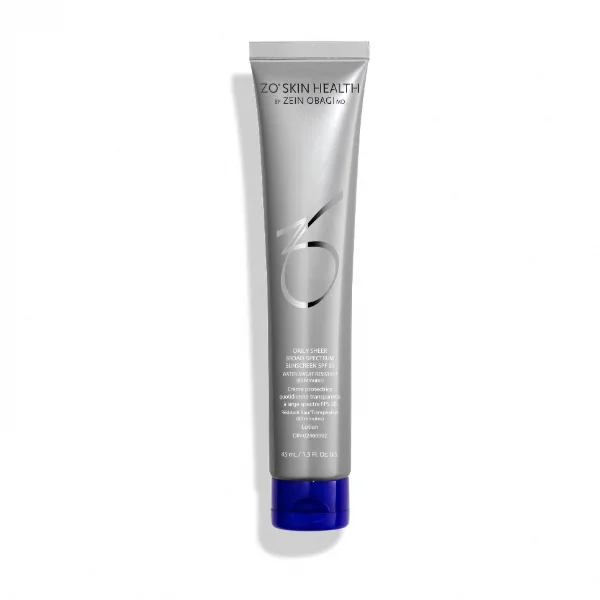
What you use at home decides how well a peel works and how long it lasts. Two to four weeks of home prep before the peel evens the skin's response, gentle hydration during the peel week keeps it comfortable, and vitamin C with daily SPF protects the new skin from the sun that caused the damage in the first place. Clinique Larrivée is an authorized ZO Skin Health partner.
Shopping through our practice link ensures authentic ZO products. ZO is not sold through unauthorized retailers, where counterfeit or diluted products are a risk. Product photos courtesy of ZO Skin Health.
Is It Right for You?
A good fit if you
Are 19 or older and want visible change in tone or texture
Have sun damage, melasma, congestion or post acne marks
Want a stronger result than a facial can give
Can follow a simple before and after care routine
Can protect your skin from the sun every day
When it may not be suitable
Pregnancy or breastfeeding
Isotretinoin (Accutane) in the past 6 months
Active cold sore, infection, open wound or sunburn on the face
Active eczema, rosacea or dermatitis flare
Allergy to aspirin or salicylates (Jessner's and TCA Brightening contain salicylic acid)
History of keloid scarring or poor wound healing
Recent radiation, chemotherapy or a condition that lowers immunity
Waxing, laser or exfoliating treatment on the face in the past week
If you are unsure, book a consultation. We would rather wait than peel skin that is not ready.
Possible side effects
Redness, warmth and tightness for 1 to 3 days
Dryness and visible peeling for up to 7 days
Temporary darkening of the treated skin before it lifts
In deeper skin tones, some post peel darkening can occur. It is usually temporary and fades within 2 to 4 weeks with SPF and the right home care
Sensitivity to sun and skincare for 1 to 2 weeks
Rare: post inflammatory hyperpigmentation, cold sore reactivation, infection or scarring, most often from picking or sun exposure
Following your aftercare is the best protection against every item on this list. Contact us right away if you have concerns.
Before & after care
Before
Prep the skin at home with your ZO routine and daily SPF for 2 to 4 weeks, especially for skin types IV to VI
Stop retinol and exfoliating acids 1 week before (2 weeks after months of retinol use), and prescription retinoids 1 to 2 weeks before
No waxing, laser, dermaplaning or scrubs on the face for 1 week
Avoid sunburn and tanning for 2 weeks
Tell us about cold sores so we can start antiviral prevention if needed
After
Cleanse gently and moisturize often. No scrubs, acids or retinol until 1 to 2 weeks after peeling is finished
Do not pick, pull or scrub flaking skin
Broad spectrum SPF 50 every day and avoid direct sun for 2 weeks
Skip saunas, hot yoga, swimming and heavy sweating for 48 to 72 hours
No makeup for 24 hours after Glycolic, and until peeling settles after Jessner's or TCA
Book your next peel at the interval your nurse recommends
FAQ
Frequently asked questions
Does a chemical peel hurt?
You will feel tingling, stinging and warmth while the peel is on the skin, usually for a few minutes. Glycolic is the mildest. TCA Brightening is the strongest, and the phenol in the formula has a numbing effect that makes it more comfortable than you would expect. A fan is used throughout.
How many peels will I need?
Glycolic works best as a series of 4 to 6 peels, 2 to 4 weeks apart. Jessner's is usually 3 to 4 peels spaced 4 to 6 weeks apart. TCA Brightening gives a visible result from one peel, with 2 to 3 peels for melasma or deeper sun damage and 3 to 4 for acne scars, then 2 to 3 per year to maintain. Melasma in particular tends to come back without daily SPF and maintenance peels, so we plan for that from the start.
Can darker skin have a chemical peel?
Yes. The key is choosing the right peel and preparing the skin at home first. Glycolic 50% is suitable for every Fitzpatrick type. TCA Brightening is formulated for all skin types, and for types IV to VI we do 2 to 4 weeks of home skin prep beforehand to lower the risk of darkening. We don't use Jessner's for types V and VI because resorcinol can cause uneven pigmentation. A common plan for melasma and sun pigmentation in deeper skin tones is a series of Glycolic peels first, then TCA Brightening, with home skin prep before and SPF 50 every day. Some temporary darkening can happen after a peel in deeper skin tones and usually fades within 2 to 4 weeks.
What if I do not peel?
The amount of visible peeling varies from person to person and is not a measure of how well the peel worked. The acids act at the cellular level whether the shedding is visible or not. After Glycolic, little or no peeling is the norm.
Can I wear makeup?
After Glycolic, wait 24 hours. After Jessner's or TCA Brightening, wait until the peeling has finished. Makeup over lifting skin tends to look patchy and can introduce bacteria.
Can I have a peel in summer?
Yes, if you can commit to strict sun protection for 2 weeks after. Many clients prefer fall and winter for Jessner's and TCA Brightening because sun avoidance is easier. Glycolic is a good option year round.
How is this different from the Signature Facial?
The Signature Facial cleanses, exfoliates and treats the skin with no downtime and is ideal every 4 weeks. A peel goes deeper to change pigment, texture and scarring, with some recovery time. Many clients alternate: a peel series to correct, then facials to maintain.